
Hermes Sandals Men: Quick reality check
Yes, Hermes sandals for men are authentic luxury items with durable construction and a predictable resale profile; they are not impulse buys. Expect high-quality materials, conservative sizing quirks, and near-zero official discounts—those facts shape where you should shop and how you should verify a pair.
Hermes is a heritage leather goods house that controls distribution tightly, which means new pairs are usually sold through Hermes boutiques and hermes.com or through a very small set of authorized department stores. Men’s sandal styles are less churned than seasonal fashion sneakers, so availability fluctuates by market and size. Because Hermes rarely offers promotions on core pieces, steep discounts are the first practical red flag when you see them. Authentication relies less on flashy serials and more on build: leather grade, edge finishing, stitching consistency, and correct embossing on the footbed. Knowing these brand behaviors reduces the risk of overpaying or buying a counterfeit pair from an unreliable channel.
Where should you buy Hermes sandals safely?
The safest purchases come from Hermes boutiques, hermes.com, and very reputable department stores or verified consignment platforms that offer authentication guarantees. Third-party marketplaces can work only when paired with strong seller history and independent authentication.
Hermes boutiques and the official website provide the cleanest provenance: factory-new condition, full packaging, and standard return policies. Luxury department stores like Harrods, Bergdorf Goodman, and Galeries Lafayette act as authorized stockists in many regions and maintain similar standards. Consignment platforms such as The RealReal, Vestiaire Collective, and Rebag have varying authentication processes; choose the ones that include a multimodal verification report. Marketplaces such as eBay or Poshmark carry risk but are salvageable when sellers provide original receipts, hermes sandals men box and dust bag photos, and allow for escrow or returns. Payment protections and buyer guarantees play a central role when provenance is incomplete; avoid cash-only or direct-transfer deals with unknown sellers.
| Channel | Safety Level | Key Verification | Typical Price Range (USD) | Returns |
|---|---|---|---|---|
| Hermes boutiques / hermes.com | Very High | Official receipt, box, dust bag | $500–$900 (typical) | Standard boutique returns |
| Authorized department stores | High | Store receipt, authenticated stock | $500–$1,000 | Store policy |
| Consignment / luxury resale | Medium–High | Platform authentication report | $350–$800 | Platform guarantee varies |
| Peer marketplaces (eBay, Poshmark) | Medium | Seller history, receipt photos, returns | $300–$900 | Buyer protection depends on platform |
| Unknown private sellers | Low | Often none or unverifiable | $100–$500 (risky) | Usually none |
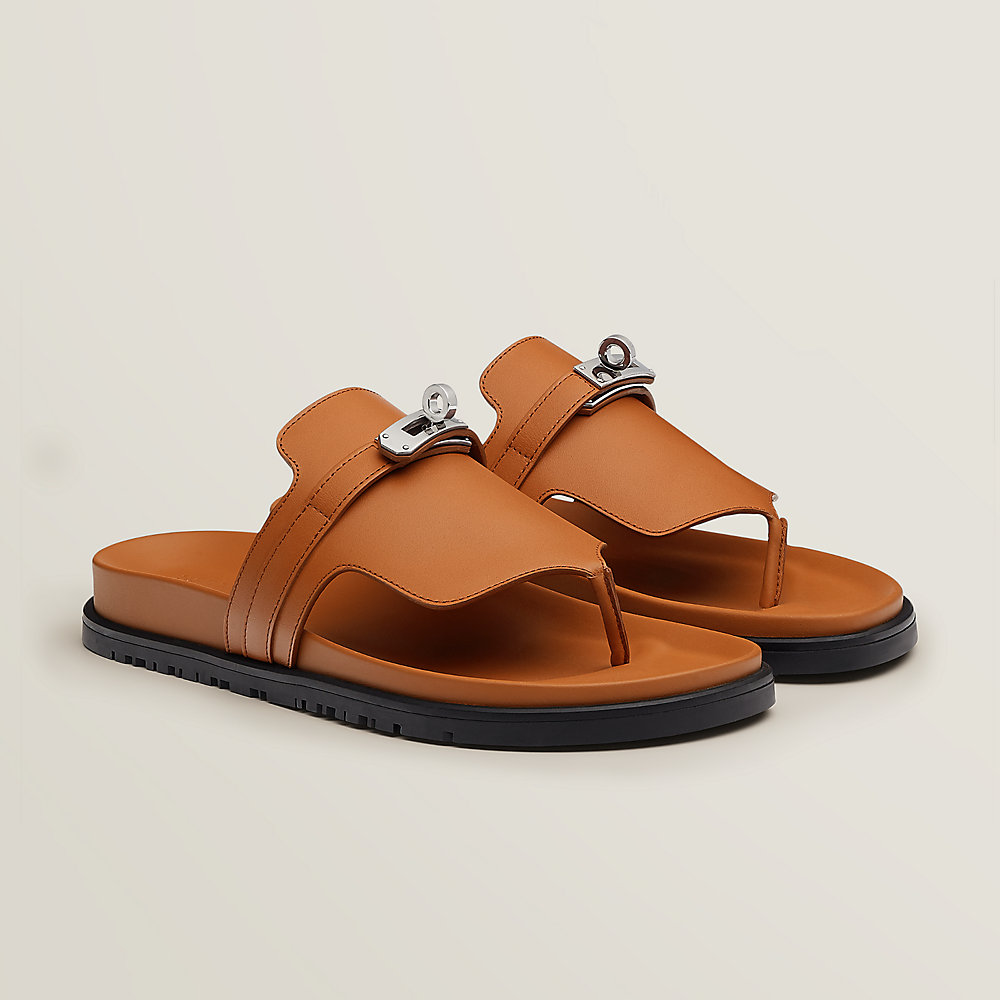
How to authenticate Hermes sandals before you buy?
Start with provenance: ask for the original receipt, full-resolution photos of the footbed, stitching, box, and dust bag; then verify construction details against official photos. When in doubt, use a reputable third‑party authentication service and insist on a return window that covers authentication.
Examine the footbed embossing for correct font weight, alignment, and \”Made in France\” stamping. Inspect the leather edges; Hermes uses clean, sealed edges with no excess glue or uneven trimming. Check the stitching: it should be consistent in length, tension, and alignment; hand finishing at Hermes is precise. Hardware should bear correct plating and weight; cheap hardware is an immediate red flag. Ask the seller for date-coded receipts or store tags where possible; if they refuse clear documentation or move the conversation off-platform, treat that as a significant warning sign. Use authenticated consignment services when you cannot verify provenance yourself.
Expert tip: \”When a seller claims ‘brand-new never worn’ but cannot show museum-quality photos of box, dust bag, and sole wear marks, ask for a live short video of the sandals on a neutral surface and a close shot of the footbed stamp; authenticators rely on minute motion and depth cues that still photos can hide.\”
Risks and red flags when buying used or discounted pairs
Deep discounts, vague seller descriptions, missing packaging, and poor-quality photos are immediate red flags that increase counterfeit risk. Fraudulent listings often try to create urgency with limited-time offers or pressure to pay off-platform.
Common counterfeit indicators include mismatched fonts on embossing, glue residue at the edges, uneven or machine-like stitching where hand-finish would be expected, and incorrect proportions of the \”H\” cut or strap shapes. Beware of sellers who provide only stock photos or produce low-resolution images that hide detail. Flash sales or heavily discounted \”new\” pairs on social platforms without receipts should be treated with skepticism. Returns policy is a proxy for credibility: sellers who refuse returns or escrow arrangements typically lack confidence in authenticity. Finally, check seller history: repeated positive feedback for luxury pieces and long membership on the platform reduce risk; new accounts with multiple high-end listings are suspect.
Final buying checklist and smart buying strategy
Plan your purchase around verification, not emotion: confirm channel legitimacy, demand provenance, inspect craftsmanship, and allow time for third‑party authentication. These steps shrink risk and preserve value whether you pay full price at a boutique or buy pre-owned.
Before purchase, confirm whether the seller provides original box and dust bag; ask for clear shots of the footbed stamp and sole; verify the seller’s past sales history and return policy; request proof of purchase when available; factor in platform buyer protections and fees when comparing prices. If purchasing from a resale platform, prioritize those with in‑house or partner authentication and documented condition reports. For private sales, use an escrow service or a payment method with buyer protection to avoid irrevocable transfers. Remember that footwear fit can vary; ask for measurements of the footbed length and width in centimeters rather than relying solely on size labels. Little-known but verified facts: Hermes rarely lists products on general marketplaces like Amazon; authentic Hermes sandals sold new almost always include a dust bag and box; many trusted resale platforms require either a receipt or physical authentication before listing; Hermes uses high-grade leather and precise edge finishing that counterfeits often fail to replicate; return windows and documented provenance are the single most reliable risk mitigators.